Important RV Fix Guidelines: Maintain Your Rolling Home on Wheels Rolling Smoothly!
Taking care of an RV needs close attention to details and a preventive approach. Consistent inspections can stop small issues from turning into major problems. By understanding common issues and their fixes, RV owners can ensure smooth travels. Essential tools and maintenance tasks play an important role as well. But how does one figure out when to handle repairs on their own or when to seek professional support? Exploring these elements can enhance the RV experience considerably.
Recognizing Prevalent RV Problems
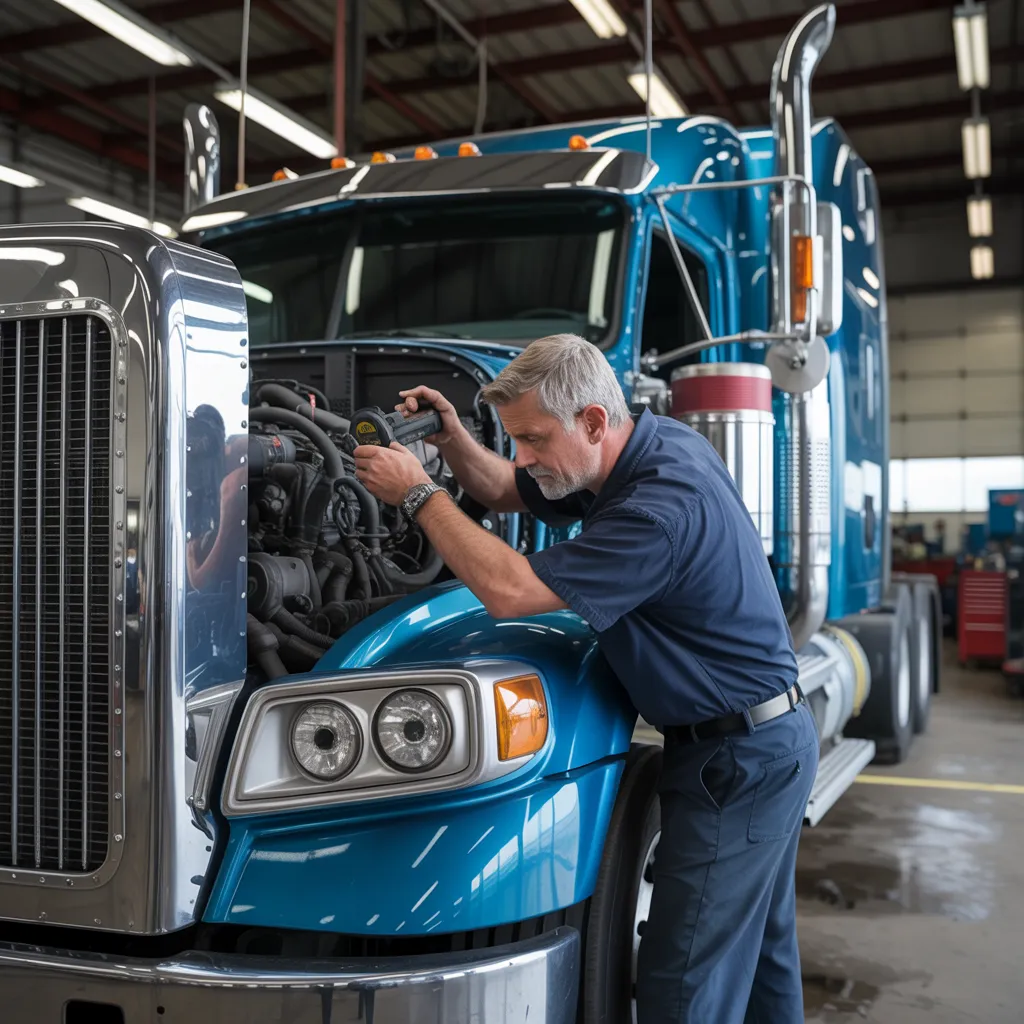
In what ways can RV owners effectively spot common issues before they escalate? Regular inspections serve an essential role in maintaining an RV's functionality and longevity. Owners should start by examining the roof for splits or signs of wear, as leaks can cause significant damage. Checking the seals around windows and doors is equally important, guaranteeing they remain intact to block moisture intrusion.
Additionally, checking tire pressure and tread wear can help prevent blowouts during travel. Vehicle owners should also examine the brakes, searching for any strange noises or reduced responsiveness, which could point to wear or malfunction.
Standard fluid examinations, including engine oil and transmission fluid, are vital for smooth operation. Additionally, monitoring the general exterior condition, such as the paint and body integrity, can help identify potential rust or structural issues. By being proactive, RV owners can resolve minor problems before they become costly repairs.
Diagnosing Wiring Concerns?
How should RV owners approach troubleshooting electrical difficulties? To begin, they should inspect the power supply, ensuring that the RV is plugged in or that the battery is adequately charged. Following this, reviewing circuit breakers and fuses is essential, as a blown fuse or tripped breaker can impede power flow. RV owners should also evaluate visible wiring for signs of wear, corrosion, or loose connections, which may suggest underlying issues.
Furthermore, testing electrical elements, such as lights and appliances, can help determine specific failures. If a particular device doesn't work, removing it from its circuit can determine whether the problem lies with the device or the wiring. Lastly, consulting the operator's guide can provide valuable details into the electrical system's layout and specifications. By systematically examining these areas, RV owners can effectively identify and resolve electrical problems, ensuring their home on wheels remains in working order.
Quick Plumbing System Solutions for Your RV
When experiencing the freedom of the open road, RV owners may come across plumbing issues that call for quick fixes to preserve comfort and functionality. Common concerns include leaks, clogged drains, and malfunctioning toilets. For minor leaks, tightening fittings or applying plumber's tape can offer immediate relief. In cases of clogs, a simple mixture of baking soda and vinegar may help eliminate the blockage, followed by hot water to flush the system.
If the toilet fails to flush, inspecting the water supply valve and ensuring it is fully open can often fix the issue. Additionally, keeping a portable water pump available can aid during emergency situations where water pressure declines unexpectedly. Periodically examining hoses and seals for wear can stop future issues. By tackling these plumbing problems quickly, RV owners can enjoy their travels without interruption, making sure their home on wheels remains cozy and functional.
Essential Tools for DIY RV Repairs
Preparing an RV for repairs requires a comprehensive toolkit, especially after dealing with plumbing issues. Necessary tools include a thorough set of wrenches and sockets, which are critical for removing and tightening various fittings. Screwdrivers, both flathead and Phillips, are required for securing panels and fixtures. A sturdy utility knife is indispensable for cutting through materials, while pliers can aid in grasping and bending components.
In addition, a multimeter is essential for diagnosing electrical issues, ensuring that any issues with the RV's system can be effectively addressed. A portable air compressor can aid in tire maintenance and other inflation jobs. Finally, having a quality flashlight or headlamp will illuminate dark spaces during repairs. By keeping this essential toolkit, RV owners will be well-prepared to tackle a selection of DIY repairs, keeping their home on wheels in top condition.
Routine Maintenance Tasks for Your RV
Routine upkeep is crucial for the lifespan and protection of an RV. Regularly inspecting tires and checking fluid levels are two essential tasks that must not be neglected. These forward-thinking practices help provide a hassle-free and comfortable ride on the road.
Review Tires Routinely
Consistently examining tires is vital for upholding the safety and performance of an RV. Tire wear can result in blowouts and decreased fuel efficiency, making inspections critical. RV owners should inspect tire pressure at least one time per month, ensuring it aligns with the manufacturer's specifications. Additionally, inspecting tread depth helps evaluate the tires' traction capabilities; a deficiency in sufficient tread can compromise safety on slippery roads. It's also essential to check for any signs of damage, such as cracks or bulges, which can signal potential failure. Switching tires every 5,000 to 7,000 miles can facilitate even wear. By emphasizing tire inspections, RV owners can elevate their travel experience and avoid pricey roadside emergencies.
Examine Liquid Levels
Keeping proper fluid levels is crucial for the total performance and longevity of an RV. Consistently examining and topping off engine oil, coolant, transmission fluid, brake fluid, and power steering fluid is critical. Inadequate fluid levels can lead to overheating, decreased efficiency, and even mechanical failure. It is advisable to check these fluids during routine maintenance or before setting out on a trip. Each type of fluid performs a specific function; for instance, engine oil lubricates moving parts, while coolant regulates temperature. Furthermore, RV owners should be conscious of any leaks, as they can signal underlying issues. By emphasizing fluid checks, RV enthusiasts can confirm their vehicles remain dependable and ready for any adventure on the road.
When to Seek Professional Help: Understanding When to Contact an Expert
Recognizing when to seek professional help for RV repairs is essential for efficiency and safety. Uncommon noises or unusual odors can signal underlying issues that may intensify if not handled promptly. Additionally, electrical system failures often call for specialized knowledge and tools, making it prudent to contact a professional.
Unusual Noises or Smells
How does one identify when unusual noises or smells from an RV signal a need for professional assistance? When an RV emits strange sounds, such as grinding, hissing, or popping, it often points to potential mechanical issues. These noises may signal failing components, such as the engine or transmission, demanding immediate attention. Equally, unusual smells—like see this article burning, gas, or chemical odors—should not be dismissed. Burning smells could signify overheating parts or electrical concerns, while gas odors may indicate leaks that pose safety risks. In both cases, timely intervention is vital. If the source of the noise or smell is unclear or alarming, reaching out to a professional mechanic can provide peace of mind and prevent further damage to the vehicle.
Electrical System Issues
Electric system failures in an RV can present themselves as intermittent lighting, malfunctioning appliances, or continual battery troubles. Spotting these symptoms is essential for the safety and functionality of the vehicle. When initial troubleshooting doesn't work—such as inspecting fuses, connections, or the quality of the battery—it may be time to request professional help. If the RV's electrical issues are coupled with unusual smells or heat from outlets, prompt assistance is advised, as these could point to major threats like short circuits or fire risks. In addition, if the problem remains despite efforts to resolve it, engaging a qualified technician assures that potential complications are handled safely and effectively, helping to preserve the RV's reliability on the road.
Questions and Answers
What's the Recommended Frequency for Inspecting My Rv's Tires?
Inspecting an RV's tires should occur each month, emphasizing tread depth, air pressure, and total condition. Additionally, a complete check is recommended before lengthy travels or after prolonged durations of non-use. Consistent maintenance provides safety.
What Actions Should I Take When My RV Is Leaking Water?
If an RV is leaking water, the owner should initially locating the leak's origin. Then, they should address any seal damage, tighten any loose fittings, and contemplate hiring a professional if the issue persists.
Are Regular Household Tools Suitable for RV Repairs?
Yes, regular household tools can be used for RV repairs. Nonetheless, certain specialized jobs may need specialized tools made for RV systems, maintaining correct operation and safety throughout repair and maintenance work. Adjusting tools is often essential.
What's the Process for Winterizing My RV for Storage?
To prepare an RV for winter storage, it's important to fully drain the water systems, introduce antifreeze into the plumbing lines, clean out and empty the refrigerator, cover the exterior, and make certain the battery is charged and properly stored.
What Is the Average Lifespan of an RV Battery?
An RV battery's average lifespan generally ranges from three to five years, subject to usage, maintenance, and type. Routine maintenance and appropriate care can substantially increase battery longevity further than the standard life expectancy.